In an era of growing technological innovation, 3D printing has established itself as one of the most revolutionary technologies, bringing significant changes to numerous industrial and creative sectors. Among the various materials used, black resin has gained a prominent position thanks to its versatility and superior quality. This article will explore in detail how black resin is used in 3D printing, analysing its properties, applications and the advantages it offers.
What Is Black Resin and How Is It Used in 3D Printing?
Black resin is a type of photopolymer resin used in stereolithography (SLA) or Digital Light Processing (DLP) 3D printers. This resin is particularly appreciated for its high level of detail and smooth surface finish, which make it ideal for applications that require a high degree of precision and an impeccable aesthetic appearance. The printers use UV light to harden the resin layer by layer, creating solid, detailed objects.
What Are the Mechanical Properties of Black Resin?
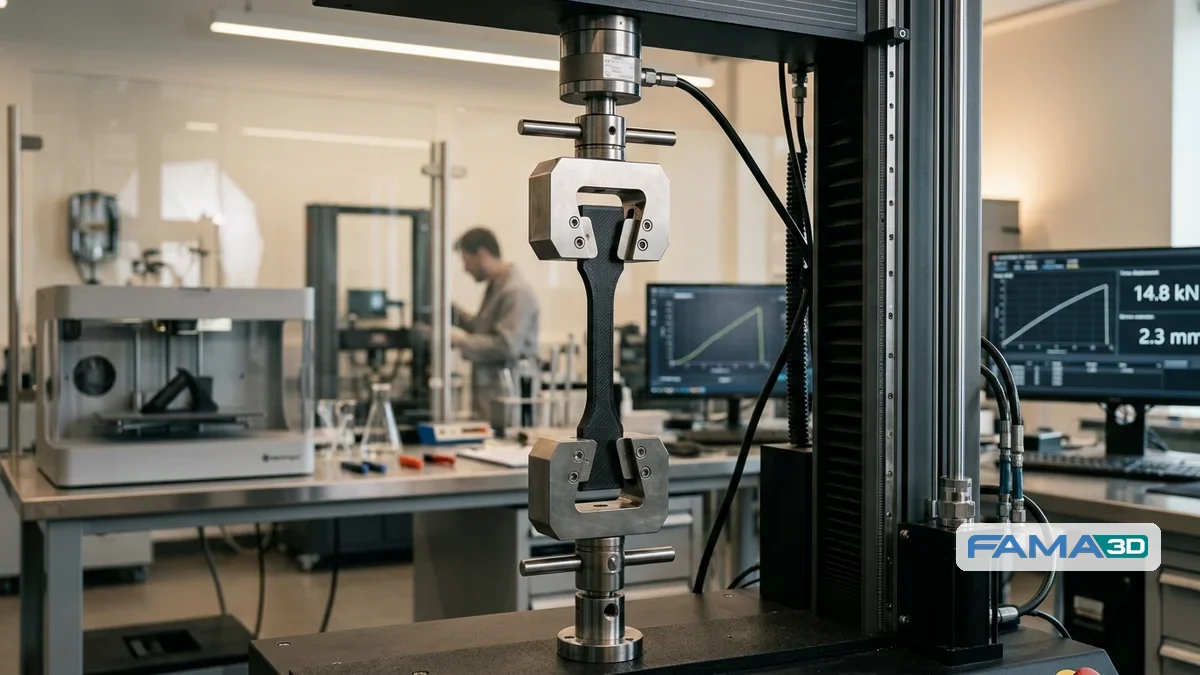
Black resin is known for its excellent mechanical properties, which include good impact resistance and dimensional stability. These characteristics make it suitable for producing complex mechanical parts, functional prototypes and test models that must withstand physical stress without deforming.
Why Is Black Resin Preferred for Prototypes and Models?
One of the main advantages of black resin is its matt colour, which minimises the visibility of layer lines, thus giving a smoother, more professional appearance. This is particularly useful for prototypes that need to be presented or demonstrated to customers or stakeholders, where aesthetics are almost as important as functionality.
What Are the Advantages of the Dimensional Accuracy of Black Resin?
Dimensional accuracy is critical in many fields, such as aerospace engineering, dentistry and jewellery. Black resin offers minimal shrinkage during the polymerisation process, resulting in printed parts with tight tolerances and very sharply defined details.
How Important Is Post-Processing in 3D Printing with Black Resin?
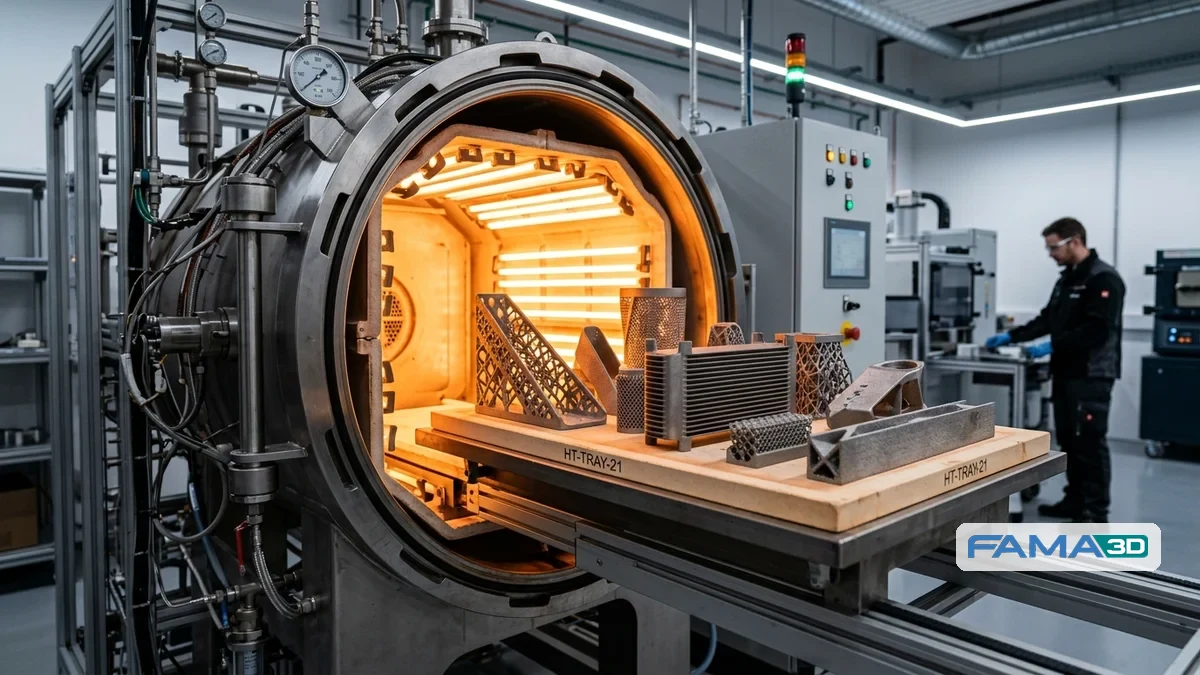
After printing, black resin parts require various post-processing steps, which may include cleaning with solvents, further UV curing and, sometimes, painting. These steps are crucial to achieving the desired surface finish and to improving the mechanical properties of the finished part.
Black Resin: Strength and Durability Over Time
Black resin is remarkably resistant to thermal deformation and chemical agents, qualities that make it an ideal choice for applications that require a long service life. This resin is particularly well suited to use in harsh environmental conditions, where it is essential to maintain structural integrity and performance over time.
Printing Workflow with Black Resin: From Design to Production
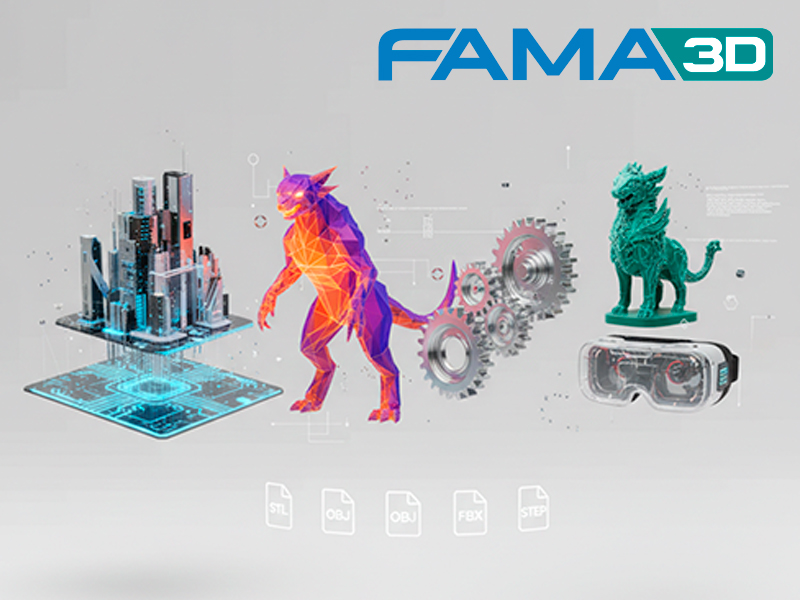
The 3D printing workflow with black resin begins with meticulous digital design of the model, using advanced CAD software to optimise every detail. Next comes the setup of the 3D printer, carefully selecting print parameters such as resolution, UV light exposure and curing time to ensure the highest quality of the finished product. This process requires close, constant collaboration between designers and technicians to ensure that every aspect of production is aligned with the required technical specifications. Choosing the type of resin, calibrating the machine and running test prints are fundamental steps to achieve high-level results, which are crucial in industrial settings where precision is essential.
Do you need a prototype or a 3D print using black resin? Get an instant quote for individuals or businesses.
Have a project to make?
Upload your file and get price and delivery time in real time.