3D Printing with Carbon Fibre: Definition and Process
What Is 3D Printing with Carbon Fibre?
3D printing with carbon fibre is an advanced technique that combines the versatility of 3D printing with the structural performance of carbon fibre. Carbon fibre is a material known for its lightness, strength and stiffness, and it is often used in aerospace and automotive applications. The use of carbon fibre in 3D printing opens up new possibilities for creating complex and strong objects.The 3D Printing Process with Carbon Fibre
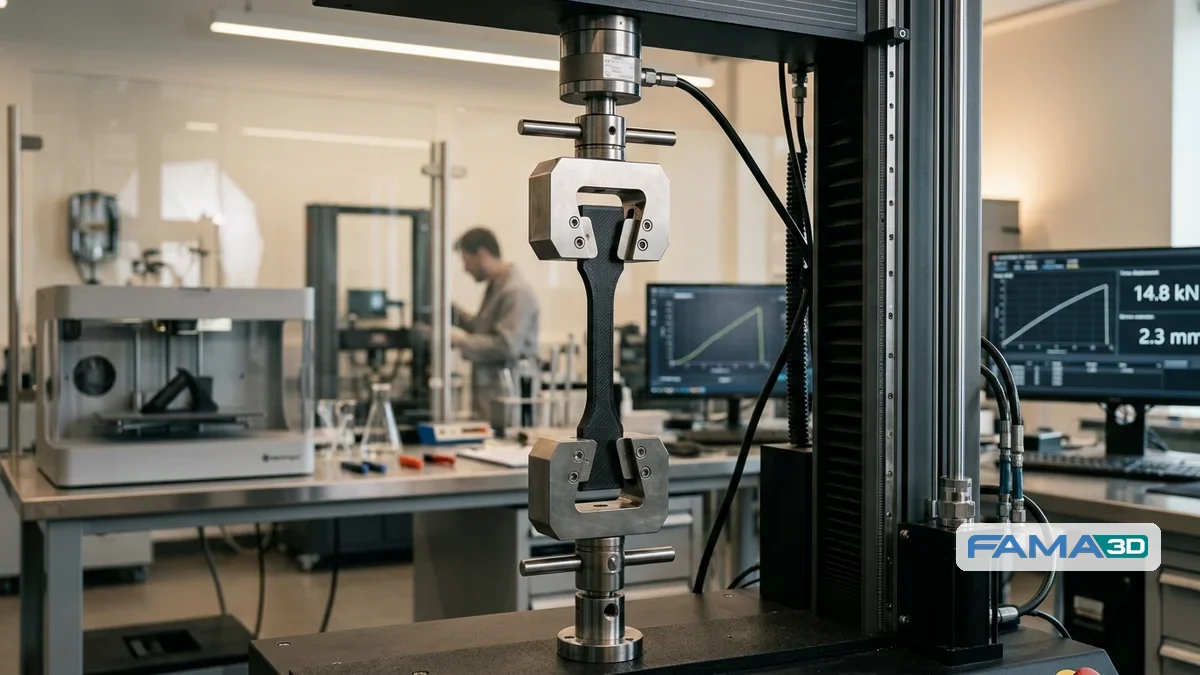
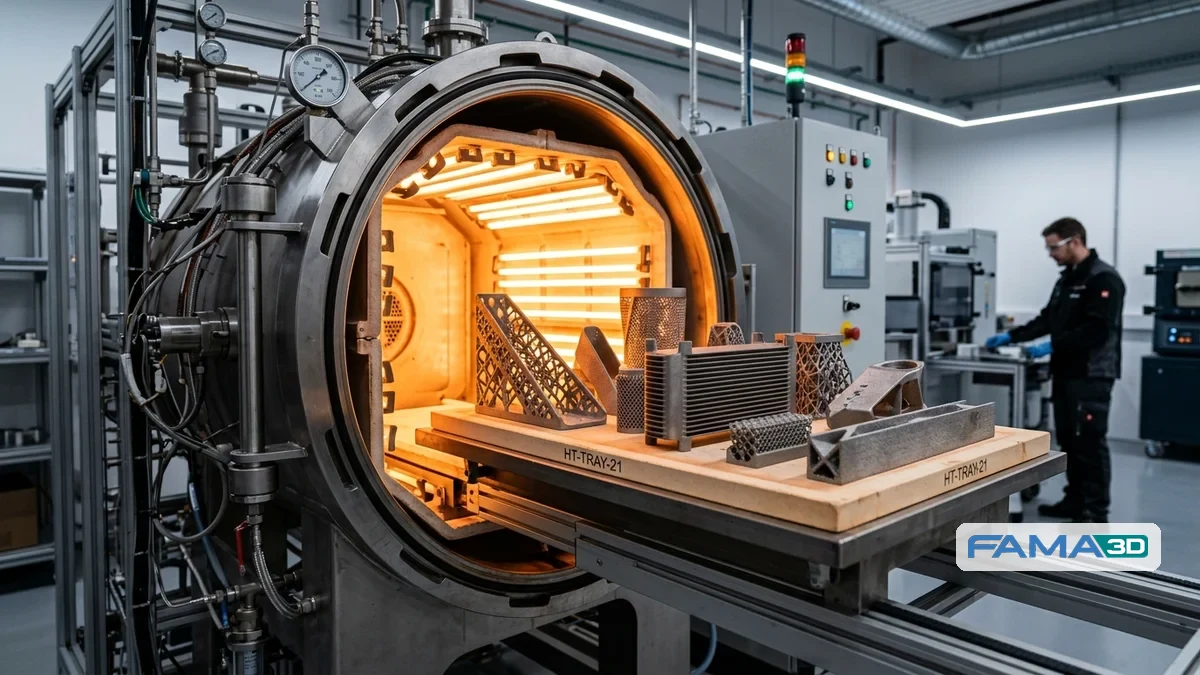
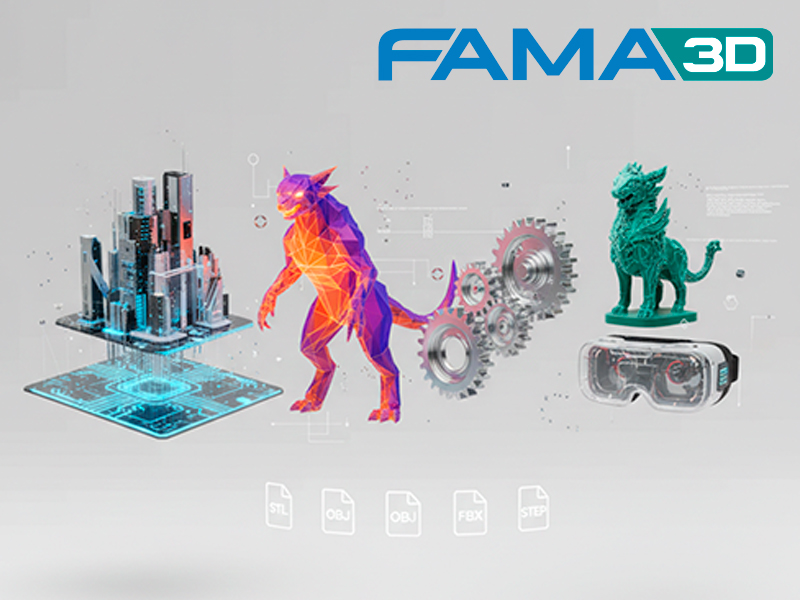
The carbon fibre 3D printing process involves several steps. First, a 3D model of the object to be printed is created digitally using modelling software. This model is then sent to the 3D printer. During printing, a carbon fibre filament is fed into the printer. The carbon fibre is often combined with a thermoplastic resin to create a composite material. The printer melts the composite material layer by layer, following the digital model. The result is an object that combines the lightness and strength of carbon fibre with the flexibility of 3D printing.Applications and Advantages of 3D Printing with Carbon Fibre
Applications
3D printing with carbon fibre is used in several industries. It is often used to produce lightweight yet robust components for the aerospace, automotive and sports industries. From making parts for racing cars to creating high-performance drone parts, carbon fibre 3D printing is at the heart of technological innovation.Advantages
3D printing with carbon fibre offers various advantages:- Lightness: Carbon fibre is incredibly light, which helps reduce the overall weight of printed objects.
- Strength: Thanks to carbon fibre, printed objects are strong and can withstand significant loads.
- Design Flexibility: 3D printing makes it possible to produce complex geometries, while carbon fibre provides strength in several directions.
- Energy Efficiency: Lightweight objects made with carbon fibre can help improve energy efficiency in sectors such as automotive and aerospace.